Why Every Hospital Needs a Digital Health Management System
Why Every Hospital Needs a Digital Health Management System
Share:
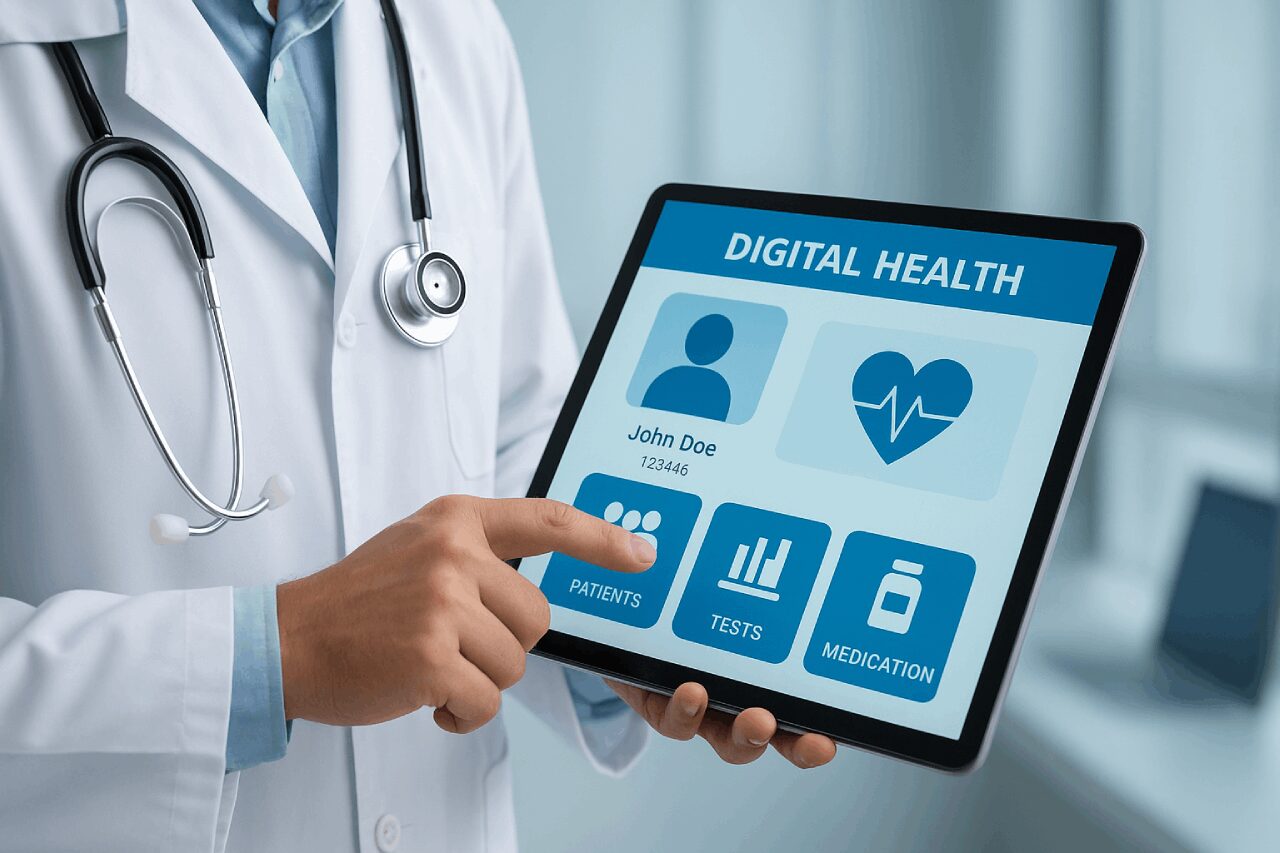
In today’s fast-paced healthcare environment, hospitals face increasing challenges in providing quality patient care while managing complex administrative tasks. A Digital Health Management System (DHMS) has emerged as a critical solution to streamline operations, enhance patient experiences, and improve overall healthcare outcomes.
1. Streamlining Patient Management
Traditional patient management often involves manual paperwork, long queues, and delayed access to medical records. A DHMS automates patient registration, appointment scheduling, and record keeping, allowing hospital staff to focus on what truly matters — patient care. With digital records, doctors can quickly access patient history, test results, and previous treatments, improving diagnosis and treatment accuracy.
2. Improving Operational Efficiency
Hospitals generate vast amounts of data daily, from billing to inventory management. A digital system centralizes all operations, reducing redundancies and errors. Automated billing, inventory tracking, and staff management not only save time but also optimize resource allocation. Hospitals can make data-driven decisions to improve operational efficiency and reduce unnecessary costs.
3. Enhancing Patient Experience
Patient satisfaction is a cornerstone of healthcare. DHMS provides features such as online appointment booking, instant notifications, and access to medical records via patient portals. Patients can communicate with healthcare providers seamlessly, reducing waiting times and improving overall care experience. A smoother administrative process translates to happier patients and better hospital reputation.
4. Ensuring Data Security and Compliance
Healthcare data is highly sensitive, and hospitals must comply with regulations such as HIPAA. Digital health management systems offer secure storage, encrypted data transfer, and role-based access controls to ensure patient privacy. Compliance with legal standards not only protects patients but also shields hospitals from potential legal liabilities.
5. Facilitating Remote Care and Telemedicine
With the rise of telehealth, hospitals need systems that support remote consultations, digital prescriptions, and online monitoring. DHMS integrates telemedicine capabilities, enabling doctors to treat patients beyond hospital walls. This not only expands healthcare access but also ensures continuity of care in emergency situations or for patients in remote locations.
6. Data-Driven Insights for Better Decision Making
Digital systems collect valuable analytics on patient trends, treatment effectiveness, and hospital performance. Administrators and doctors can leverage this data to improve healthcare strategies, predict patient inflow, and optimize resource allocation. Data-driven decisions lead to higher quality care and improved hospital efficiency.
Implementing a Digital Health Management System is no longer optional for hospitals aiming for excellence in patient care and operational efficiency. From streamlining administrative tasks to enhancing patient experiences and ensuring data security, DHMS plays a pivotal role in modern healthcare. Hospitals that embrace digital solutions are better equipped to meet the evolving needs of patients and stay competitive in the healthcare industry.
Connect with Us
If you are looking to implement a Digital Health Management System in your hospital or want to learn more about advanced healthcare solutions, connect with us today. Our experts are ready to help you transform your hospital into a smart healthcare facility.