How Software is Streamlining Logistics and Supply Chain Operations
How Software is Streamlining Logistics and Supply Chain Operations
Share:
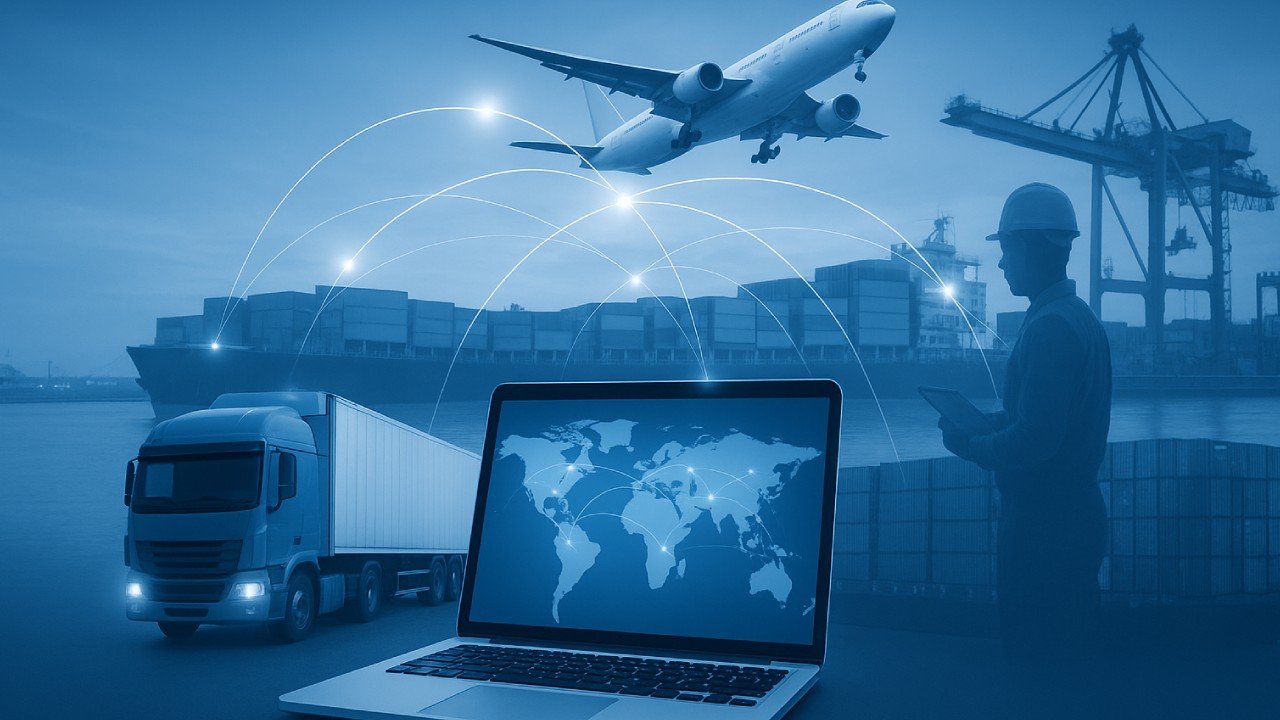
In today’s fast-paced global economy, logistics and supply chain management play a crucial role in ensuring that products reach the right place at the right time. However, with growing complexities, manual processes often fall short. That’s where modern software solutions come in — transforming logistics into a highly efficient, automated, and data-driven ecosystem.
The Evolution of Logistics and Supply Chain Management
Traditionally, logistics operations relied heavily on manual tracking, spreadsheets, and phone calls to manage inventory, shipments, and vendors. These outdated methods often led to delays, errors, and lack of transparency. Today, advanced software technologies — from automation and IoT to artificial intelligence — have redefined the supply chain landscape, enabling real-time visibility, predictive analytics, and seamless coordination across multiple stakeholders.
Why Software is Essential in Modern Supply Chain Operations
Software solutions have become indispensable for logistics companies aiming to optimize operations, reduce costs, and improve service quality. Let’s explore how technology is driving transformation across every stage of the supply chain:
Real-Time Tracking: GPS-enabled tracking software allows businesses to monitor shipments, routes, and delivery times with precision.
Automation: Warehouse management systems (WMS) and transport management systems (TMS) automate repetitive tasks like labeling, inventory updates, and route planning.
Data-Driven Decision Making: Advanced analytics tools help predict demand, optimize inventory, and reduce wastage.
Integration & Collaboration: Cloud-based platforms enable suppliers, manufacturers, and distributors to collaborate in real time.
Customer Transparency: End customers can now track orders live and receive accurate delivery updates, enhancing trust and satisfaction.
Various software tools are transforming logistics and supply chain operations. Here are some of the most impactful solutions:
Warehouse Management Systems (WMS): Streamline inventory control, order fulfillment, and stock optimization.
Transportation Management Systems (TMS): Automate carrier selection, shipment tracking, and route optimization to reduce delivery costs.
Enterprise Resource Planning (ERP): Integrate finance, production, procurement, and logistics into one centralized system for better coordination.
Supply Chain Analytics: Predictive analytics tools analyze large datasets to forecast demand and identify bottlenecks before they occur.
IoT & Smart Sensors: Connected devices provide real-time monitoring of goods, temperature, and vehicle performance.
Benefits of Software Integration in Logistics
By adopting modern logistics software, organizations can achieve significant competitive advantages:
Improved Accuracy: Minimizes human errors in order processing and inventory management.
Cost Reduction: Optimized routes and automated workflows lower operational costs.
Enhanced Visibility: Real-time tracking ensures full transparency across the supply chain.
Faster Delivery: Smart routing and scheduling enable quicker delivery times.
Customer Satisfaction: Timely delivery updates and efficient handling improve user experience.
Case Study Example
For instance, a leading logistics provider implemented a cloud-based TMS integrated with IoT sensors. Within three months, the company reduced fuel costs by 15%, improved on-time deliveries by 20%, and achieved complete visibility into fleet operations. Such real-world success stories highlight the tangible benefits of software-driven logistics systems.
Challenges and the Road Ahead
Despite its advantages, software adoption comes with challenges like data security, high implementation costs, and the need for staff training. However, with advancements in AI, blockchain, and predictive analytics, the future of logistics looks even more connected and intelligent. Companies that embrace digital transformation now will gain a significant edge in efficiency and scalability.
Software has become the backbone of modern logistics and supply chain operations. From automation and real-time tracking to predictive analytics and AI-driven insights, it ensures agility, accuracy, and efficiency across all business levels. As industries continue to evolve, investing in smart software solutions is no longer optional — it’s a necessity for businesses striving to stay competitive in a dynamic global market. Experts in custom software development and digital transformation solutions for logistics and enterprise businesses. Contact us